Few bands treat their back catalog like a living archive the way Metallica does. Since 2016 the band has rebuilt its classic albums through its own label, Blackened Recordings, issuing remastered editions alongside huge deluxe box sets packed with demos, rough mixes, interviews and live recordings that had previously circulated only on worn-out tape trades. For collectors, these releases are the definitive way to hear how Metallica grew from a garage thrash band into a stadium act.
Metallica remastered box sets are deluxe reissues of the band’s classic albums, released through Blackened Recordings from 2016 onward, starting with Kill ‘Em All and Ride the Lightning and continuing through Master of Puppets, …And Justice for All and the Black Album. Each set pairs a new remaster with demos, rough mixes, live shows, videos and printed archival material.
- The remaster series began on April 15, 2016 with Kill ‘Em All and Ride the Lightning, followed by Master of Puppets (2017), …And Justice for All (2018) and the Black Album (2021).
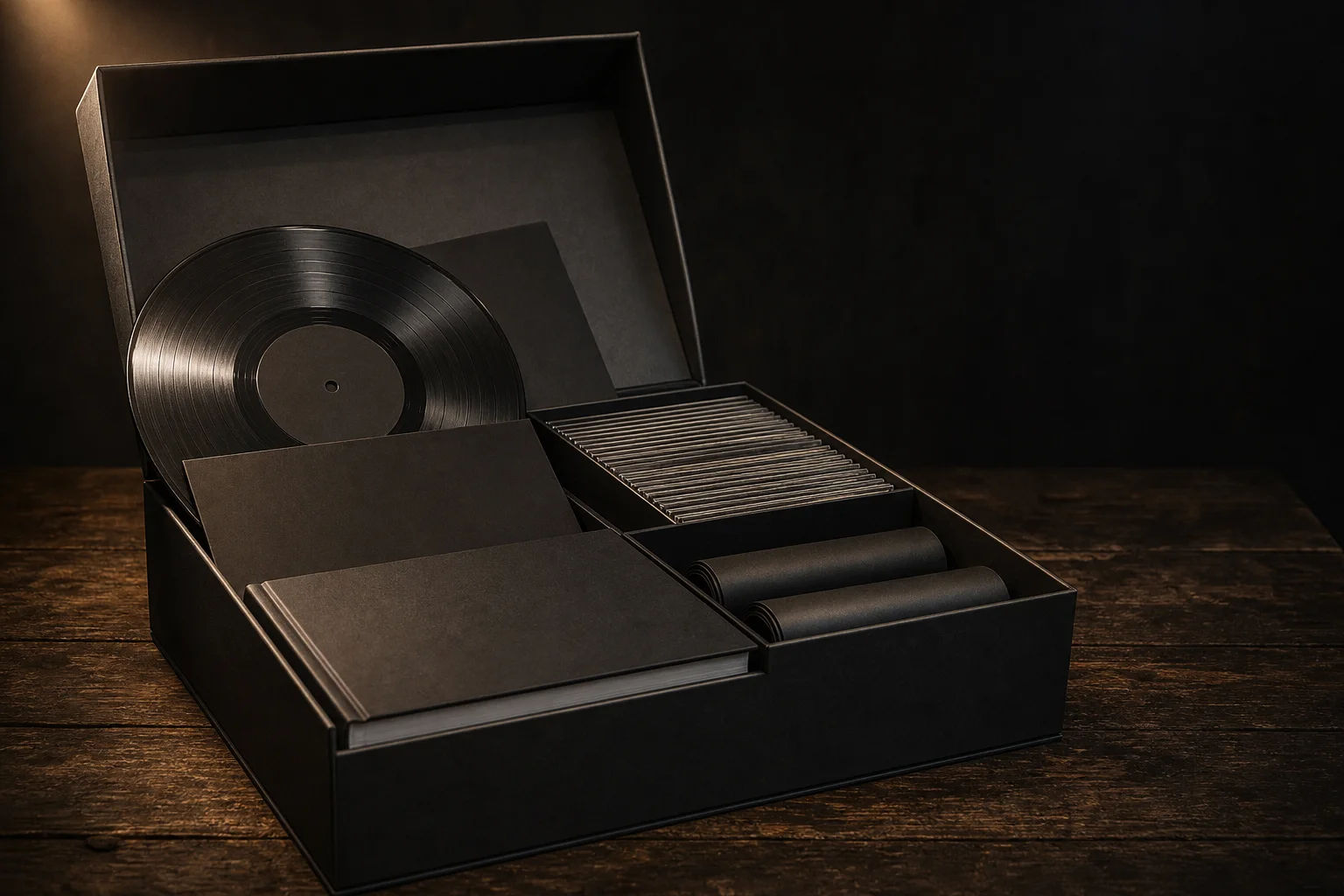
- Each album is sold in several tiers, from a standard remastered CD or LP up to a limited deluxe box with multiple LPs, CDs, DVDs, a cassette and a hardcover book.
- The real value of the deluxe boxes is the archival material: demos, riff tapes, alternate mixes and era-specific live recordings.
- The Black Album remaster arrived alongside The Metallica Blacklist, a covers compilation tied to charitable giving.
- Collectors should choose based on listening habits: the expanded 3CD editions deliver most of the essential bonus audio at a fraction of the deluxe price.
Why Metallica Launched the Remaster Series
Metallica gained full ownership of its master recordings in 2012 and set up Blackened Recordings to manage them. That control changed everything. Instead of a label deciding when and how the classic albums were reissued, the band itself could open the vaults, pick which demos and live tapes deserved release, and package the history the way the members remembered it.
The motivation was partly fidelity. The original 1980s CD pressings were mastered for the formats and playback systems of the time. The remasters aimed to bring clarity and punch to the recordings without flattening the dynamics that make songs like “Fade to Black” or “Orion” breathe. The other motivation was storytelling: Lars Ulrich is famously an archivist, and the band had decades of cassettes, rehearsal tapes and soundboard recordings sitting in storage.
The Blackened Recordings advantage
Owning the masters means Metallica can price, schedule and design these sets independently. It is also why the reissues are sold heavily through the official Metallica store, with fan club members often getting early access. For fans, the practical takeaway is simple: the official store is usually the first and most reliable place to secure limited editions before they move to resale markets.
Release Timeline: Every Remastered Album So Far
The series has followed the original album chronology, with longer gaps as the box sets grew more ambitious. Here is how the main releases compare.
| Album (Original Year) | Remaster Release | Era Highlight | What Makes the Box Special |
|---|---|---|---|
| Kill ‘Em All (1983) | April 15, 2016 | Early thrash, Cliff Burton’s debut | Early demos and raw 1983 live recordings capturing the band’s club years |
| Ride the Lightning (1984) | April 15, 2016 | First epic songwriting leap | Rough mixes, live shows from 1984-85 and interviews from the era |
| Master of Puppets (1986) | November 10, 2017 | Peak of the Cliff Burton era | Riff tapes, writing-in-progress demos and live material from the 1986 tour |
| …And Justice for All (1988) | November 2, 2018 | Jason Newsted’s first album | Writing tapes, rough mixes and extensive Damaged Justice tour recordings |
| Metallica / Black Album (1991) | September 10, 2021 | Global commercial breakthrough | The largest box yet, with demos, rough mixes, multiple concerts and video content |
The jump in scale between 2016 and 2021 is significant. The early boxes were already generous, but the Black Album deluxe set expanded to more than a dozen CDs plus multiple LPs and DVDs, reflecting how heavily documented the band had become by the early 1990s.
7 Facts Every Collector Should Know
1. There are always multiple tiers
Each reissue typically arrives in several formats: a standard remastered CD, a remastered LP, an expanded edition (usually 3CD) with highlights from the bonus material, digital versions with the expanded tracks, and the limited deluxe box. Understanding the tiers saves money. If you mainly stream or listen in the car, the expanded CD edition delivers most of the essential demos and live cuts.
2. The deluxe boxes are physical history books
The big boxes are not just audio. They usually include a hardcover book with unseen photos, handwritten lyric reproductions, flyers, backstage passes and other memorabilia replicas. For collectors, these printed elements are a large part of why the deluxe sets hold value on the secondary market.
3. The cassette is a deliberate nod to tape trading
Metallica’s early fanbase was built on the underground tape-trading network, where demos like No Life ’til Leather spread hand to hand across continents. Including cassettes in deluxe boxes is more than retro styling; it acknowledges the grassroots scene that made the band possible.
4. The Justice bass debate was not “fixed”
…And Justice for All is famous for its nearly inaudible bass. Many fans hoped the 2018 remaster would bring Jason Newsted’s parts forward. It did not; the remaster preserves the original mix’s character. The band has consistently treated the album’s sound as part of its history rather than a mistake to correct, so buy it expecting a cleaner version of the familiar record, not a remix.
5. Live recordings are the hidden treasure
For many fans, the era-specific concert recordings are the most replayable content. Hearing Master of Puppets material performed during the 1986 tour, or the full Justice-era set with its sprawling song structures, offers a far clearer picture of the band than the studio albums alone.
6. Writing tapes reveal how songs were built
Riff tapes and early demos show songs in fragments: riffs that were abandoned, tempos that changed and arrangements that evolved dramatically before the final takes. For musicians, these are a masterclass in arrangement and editing.
7. The Black Album came with The Metallica Blacklist
The 30th anniversary Black Album reissue landed alongside The Metallica Blacklist, a compilation of more than 50 artists from across genres reinterpreting songs from the record. Proceeds were split between Metallica’s All Within My Hands foundation and charities chosen by the participating artists, tying the reissue to a broader cause.
Standard, Expanded or Deluxe: Which Should You Buy?
The right edition depends on how you listen, how much shelf space you have and whether you view the purchase as a collectible or a listening copy.
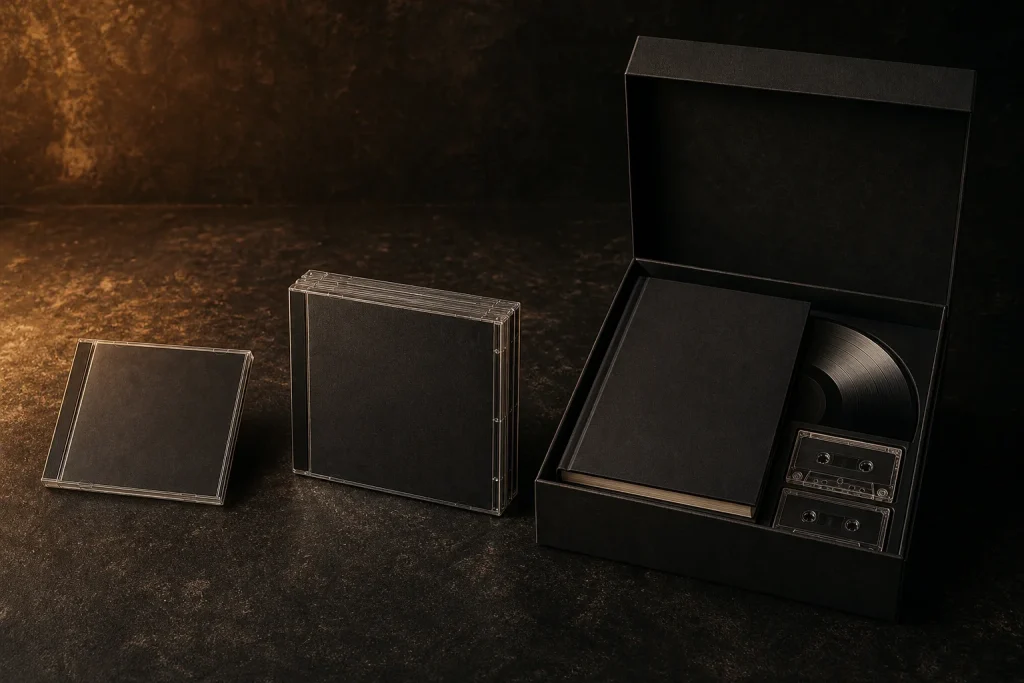
| Edition | Best For | Pros | Cons |
|---|---|---|---|
| Standard remastered CD or LP | Casual listeners upgrading old copies | Affordable, improved sound, easy to find | No bonus material |
| Expanded edition (3CD) / digital deluxe | Fans who want demos and live tracks | Essential rarities at a moderate price | No book, memorabilia or video content |
| Limited deluxe box | Collectors and die-hard fans | Complete archive, book, memorabilia, video | Premium price, large footprint, limited runs |
A practical buying strategy
- Start with your favorite era. If the Cliff Burton years mean the most to you, Ride the Lightning or Master of Puppets will deliver the most emotional value.
- Sample the bonus material digitally. Expanded editions on streaming platforms let you hear demos and live tracks before committing to a box.
- Buy deluxe boxes early. Limited runs often sell out, and resale prices climb quickly once official stock is gone.
- Inspect resale listings carefully. Check that books, inserts and memorabilia replicas are all present; missing items significantly reduce collector value.
How the Remasters Sound Compared to the Originals
Listeners generally describe the remasters as clearer and fuller rather than drastically different. The goal was fidelity, not reinvention. Here is what most fans notice:
- Kill ‘Em All: Guitars sound tighter and the rhythm section more defined, while the raw energy remains intact.
- Ride the Lightning: Acoustic intros and clean passages benefit from added clarity, and Cliff Burton’s bass on tracks like “The Call of Ktulu” becomes easier to follow.
- Master of Puppets: The dense layering of guitars gains separation, making the album’s complex arrangements easier to absorb.
- …And Justice for All: Brighter and more detailed, but the trademark dry, bass-light mix is preserved.
- Black Album: Bob Rock’s polished production was already modern; the remaster mostly adds subtle depth and warmth.
On vinyl, many collectors favor the remastered LPs because they are cut from higher-quality sources than some earlier budget reissues. Still, original 1980s pressings remain prized for their historical value rather than their sound alone.
What Comes Next for the Series?
Following the chronology, the next logical candidates are Load (1996) and ReLoad (1997), records that divided fans at release but have been reassessed by many listeners in recent years. Both eras were extensively documented on video and in the studio, so a future box would likely be substantial. Until an official announcement arrives, the best sources for reliable information are Metallica.com, the band’s official social channels and the Fifth Member fan club, which typically receives first access to new releases.
The series also matters beyond collecting. In an era dominated by streaming, Metallica has shown that a legacy band can make physical media meaningful again by offering context and history, not just a product. That approach has influenced how other veteran acts think about anniversary editions.
Tips for Preserving Your Box Sets
- Store vinyl vertically and away from heat sources to prevent warping.
- Use protective outer sleeves for box sets to prevent shelf wear and corner damage.
- Keep printed books and memorabilia away from direct sunlight to avoid fading.
- Rip CDs to lossless files so you can listen daily without handling the originals.
- Keep receipts and shipping documentation; provenance can help if you ever resell.
FAQs
Which Metallica albums have received remastered box sets?
Kill ‘Em All and Ride the Lightning (2016), Master of Puppets (2017), …And Justice for All (2018) and the self-titled Black Album (2021) have all received remastered editions with deluxe box sets through Blackened Recordings.
Did the …And Justice for All remaster boost the bass?
No. The 2018 remaster improves overall clarity but keeps the original mix balance, so Jason Newsted’s bass remains as low in the mix as it was in 1988.
Is the deluxe box worth the price compared to the expanded edition?
If you mainly want the music, the expanded 3CD or digital edition covers the most essential bonus tracks. The deluxe box is worth it for collectors who value the full live archive, video content, hardcover book and memorabilia.
Will Load and ReLoad get remastered box sets?
They are the next albums in chronological order, which makes them the logical next entries, but fans should rely on official announcements from Metallica.com and the Fifth Member fan club for confirmed details.
Final Word
Metallica remastered box sets are the most complete official record of the band’s rise, from sweaty club shows in 1983 to the global triumph of the Black Album. Whether you pick up a single expanded edition or chase every deluxe box, start with the era that hooked you, buy limited editions early, and spend time with the demos and live tapes. That archival material is where the real story of Metallica lives.